
Katonah Garden Enclosure
February 6, 2026Companion Planting: Organic Pest Control That Starts With Garden Design
From Bruce Davison, Kitchen Gardens of Westchester
If you want a more productive garden with fewer pest problems, start with one of the simplest organic tools available: companion planting.
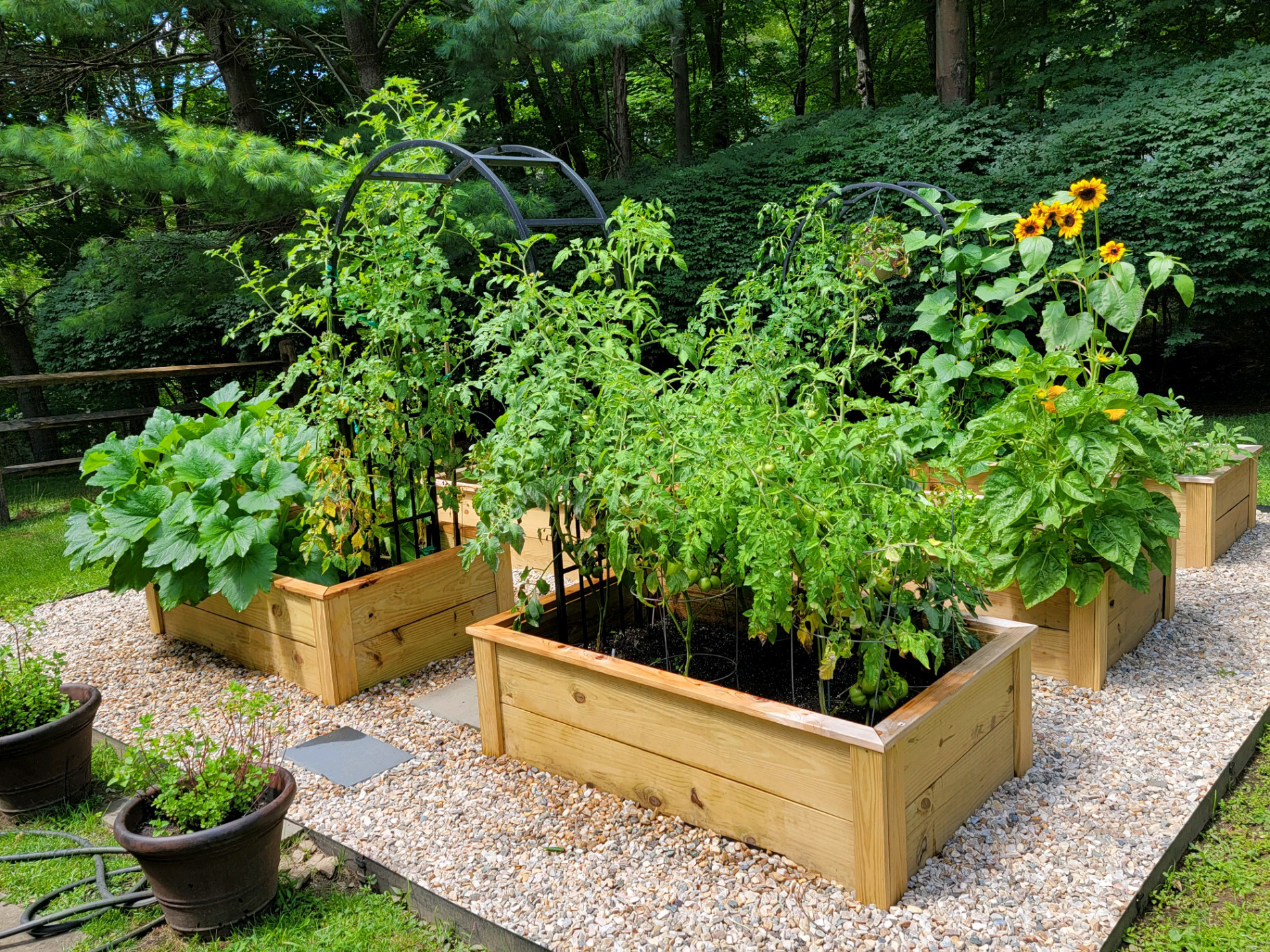
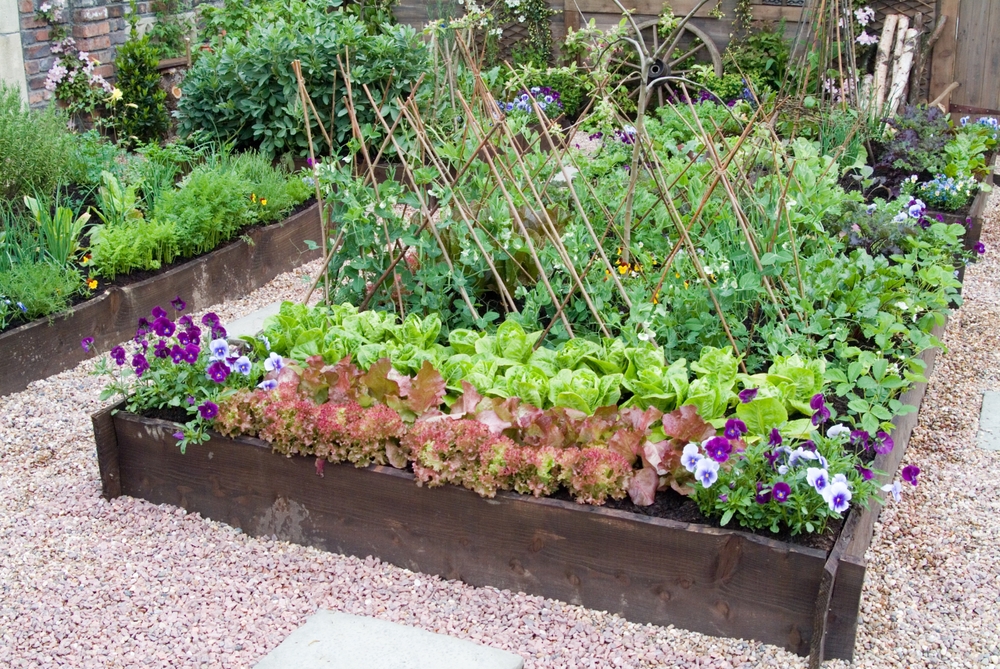
Companion planting is the practice of placing certain plants near each other so they help one another—by confusing pests, attracting beneficial insects, improving pollination, shading soil, or even supporting growth habits. It’s not magic, and it’s not a guarantee. But when it’s baked into the garden layout from the beginning, it can dramatically reduce pressure from common garden pests—without spraying your food.
The easiest garden isn’t the one you treat the most. It’s the one you design to work with nature.
Why companion planting works (and why it feels “easier”)
Most vegetable pests find their host plants by scent and sight. When you grow long rows of the same crop—like a block of kale or a bed full of tomatoes—you’re basically putting up a billboard that says: “Free buffet.”
Companion planting helps by:
-
Masking scent so pests have a harder time locating their favorite plant
-
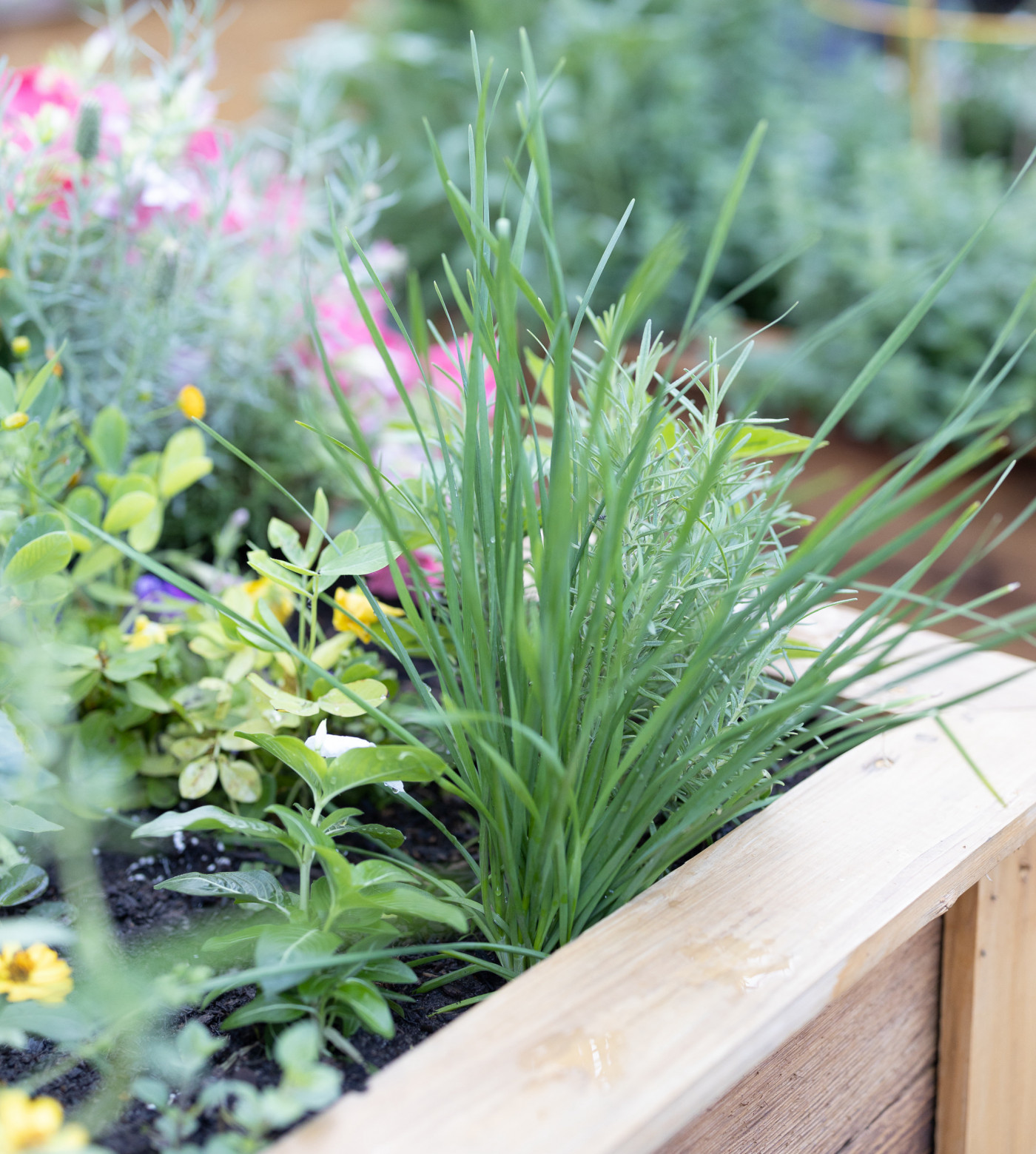
Repelling or disrupting pests with aromatic herbs and alliums
-
Attracting beneficial insects (ladybugs, lacewings, hoverflies, parasitic wasps) that feed on pests
-
Improving pollination by bringing in bees and other pollinators
-
Supporting healthier growth through better spacing and microclimates
It’s a simple shift in mindset: you’re not just planting vegetables—you’re building a small, balanced ecosystem.
The “good neighbors” guide: reliable companion pairings
Here are practical combinations that work well in kitchen gardens across Westchester and Lower Connecticut—especially when you want fewer sprays and less hand-to-hand combat with insects.
1) Tomatoes + basil (and a few friends)
Why it works: Basil’s strong aroma can help confuse pests, and flowers can attract beneficial insects later in the season.
Add on:
-
Marigolds nearby for pollinators and general garden diversity
-
Nasturtiums as a “trap crop” (aphids often go there first)
Avoid: Planting tomatoes right next to brassicas (kale, cabbage, broccoli) if you can help it—different needs and can complicate spacing and airflow.
2) Brassicas (kale, broccoli, cabbage) + dill or cilantro (let them flower)
Why it works: Brassicas attract cabbage moths and aphids. Dill and cilantro flowers bring in beneficial insects that help control those pests naturally.
Pro move: Plant a few herbs and let some bolt and flower. Flowering herbs are beneficial-insect magnets.
3) Cucumbers + nasturtiums
Why it works: Nasturtiums can draw aphids away from cucumbers and also bring in pollinators. They’re easy, pretty, and useful.
Bonus: Nasturtium leaves and flowers are edible—peppery and great in salads.
4) Carrots + onions (or leeks/scallions)
Why it works: This classic pairing is all about scent confusion. Alliums can help disrupt pests that target carrots, and carrots don’t compete heavily with onions below ground.
Design tip: Alternate short rows or “patches” rather than planting each in a solid block.
5) Beans + cucumbers (with space and sun)
Why it works: Beans can support soil health, and mixed planting helps break up pest patterns.
Important: Don’t crowd. Good airflow is still one of the best “pest controls” you have.
What to avoid (the companion planting mistakes that backfire)
Companion planting is helpful—but only when you still respect basic garden realities.
-
Overcrowding: Tight spacing leads to mildew, fungal issues, and weak plants.
-
Too much shade: Tall plants can block sun from crops that need it.
-
Mixing plants with totally different needs: Watering and feeding become inconsistent.
Think of companion planting like good team-building—it’s powerful, but it can’t fix a poor foundation.
The real secret: companion planting works best when it’s planned into the layout
Most people try to “add companion plants” after pests show up. That’s understandable—but it’s harder, and it often becomes messy.
A well-designed kitchen garden makes companion planting feel natural because it’s built into:
-
Bed dimensions and access paths (so you can actually reach and harvest)
-
Sun patterns and shade timing
-
Crop rotation planning
-
Trellis placement (vining crops don’t smother everything else)
-
A balanced mix of vegetables, herbs, and flowers
When the layout is right, the garden becomes simpler to maintain—and you spend less time reacting.
Want an easier garden this season? Design it to work with nature.
If you’re planning a kitchen garden in Westchester, Fairfield County, or Lower CT, we can help you build a layout that supports:
-
productive planting plans
-
smart companion pairings
-
clean paths and spacing
-
trellises and enclosures (when needed)
-
a garden that’s easier to manage from spring through fall
If you’d like help planning your beds and plant groupings, contact Bruce Davison at Kitchen Gardens of Westchester. The earlier you plan, the smoother the season goes.