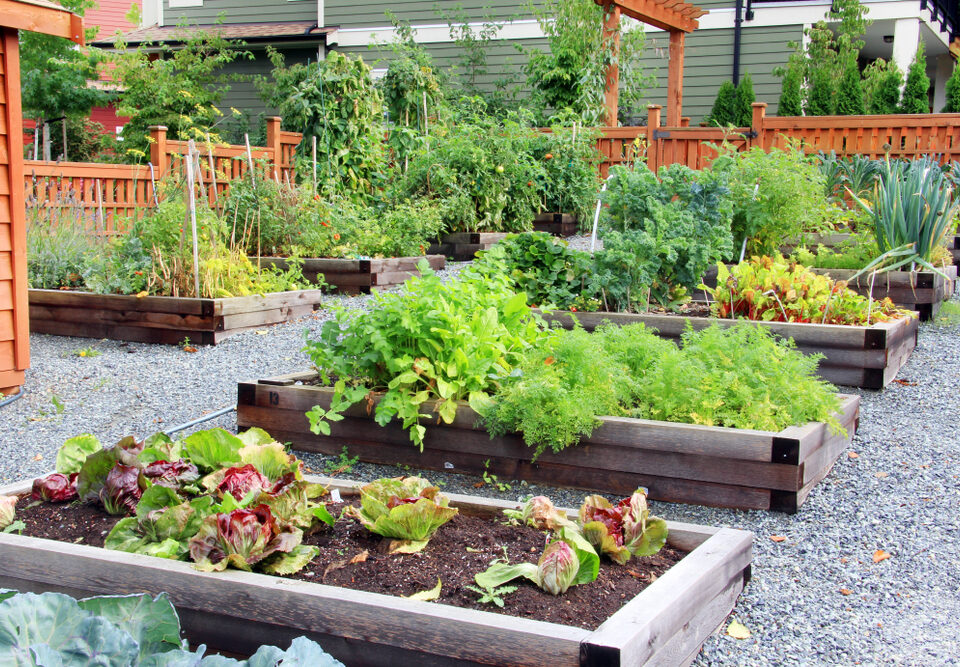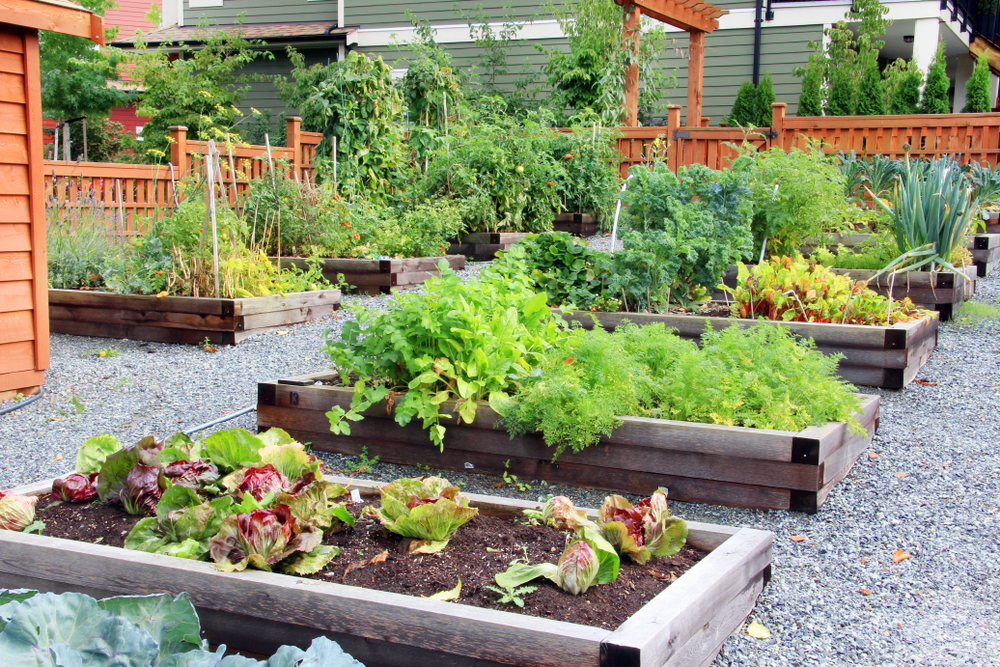

A Tiered Garden Built for a Sloped Westchester Property
January 30, 2026Kitchen Garden Planning in Westchester County & Connecticut: What to Do Now When the Ground Is Frozen
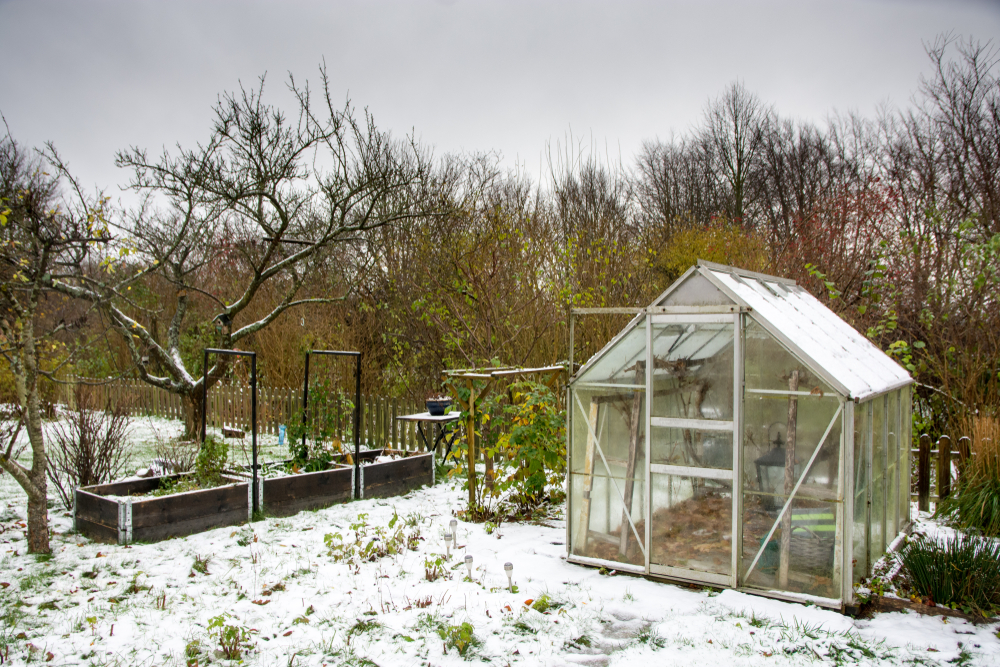
Why Winter Planning Matters (Even When Nothing Is Growing)
In our area, spring moves fast. Once the thaw hits, schedules fill quickly—for contractors, garden builds, soil deliveries, irrigation work, and plant sourcing. Winter planning lets you:
-
Make smarter decisions (without rushing)
-
Lock in build timing before calendars tighten
-
Get your layout, materials, and protection plan finalized early
-
Start the season strong using proven local planting guidance
1) Clarify Your Garden Goals Before You Design Anything
Start with the “why.” The best kitchen gardens are designed around how you actually live and eat.
Ask:
-
Are you growing mostly salads & herbs, or also tomatoes, peppers, squash, cucumbers?
-
Do you want a “small and elegant” garden—or a high-production garden?
-
How many people are you feeding?
-
Do you want weekly harvests, entertaining-friendly beauty, or both?
This helps determine bed count, bed size, layout, irrigation needs, and whether you should prioritize vertical growing (trellises) or protected growing.
2) Choose the Right Location (You Can Do This in Winter)
Even with snow on the ground, you can still evaluate the site.
Sun:
-
Identify the area with the most winter sunlight; it’s often a clue to the best sun exposure year-round.
-
Note shade from evergreens, fences, and the house.
Drainage:
-
Pay attention after a thaw or winter rain: where does water collect or run?
Access:
-
Is it close enough to the kitchen that you’ll use it daily?
-
Can a wheelbarrow reach it easily?
Wildlife pressure:
Westchester & Lower CT are notorious for deer/rabbits. Now is the time to decide whether you need:
-
full enclosure / netting
-
fencing strategy
-
raised beds and clean pathways (also helps maintenance)
Local planting and garden setup resources can help you think through these basics early.
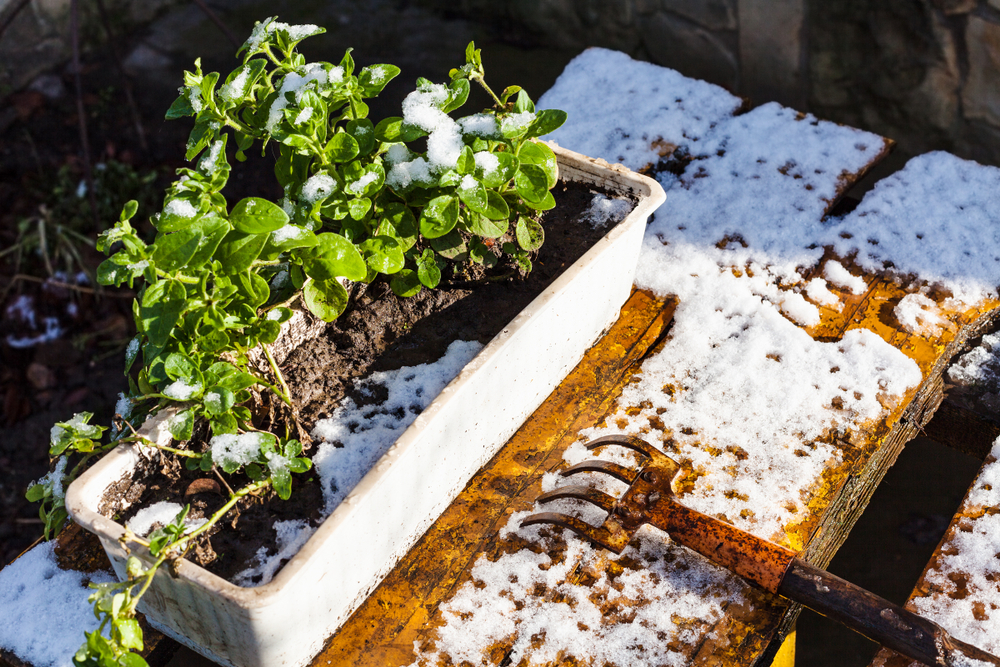
3) Design the Layout on Paper First (Your Winter Superpower)
Before anyone breaks ground, sketch a simple plan:
-
Bed size: raised beds are easier to manage and keep soil quality consistent
-
Path widths: wide enough for walking, harvesting, and wheelbarrow access
-
Trellises: plan where vining crops will climb (cucumbers, beans, peas)
-
Water: plan irrigation lines now so you’re not dragging hoses all season
A well-designed layout makes everything easier: watering, weeding, harvesting, crop rotation, and long-term soil health.
4) Decide Early: Standard Raised Beds or a Fully Enclosed Kitchen Garden?
If deer and rabbits are part of your reality (they usually are), an enclosed kitchen garden can be the difference between frustration and abundance.
Enclosed gardens help:
-
Reduce pest damage (deer, rabbits, birds) for healthier plants and better yields
-
Create a more controlled growing environment (especially helpful in shoulder seasons)
-
Keep garden organization tight, supporting easier crop rotation and soil management
Winter is the perfect time to decide this—because enclosure materials, design, and installation planning should happen before spring urgency hits.
5) Soil: What You Can Do Now (Even If It’s Frozen)
You can’t dig or amend frozen ground, but you can prepare for excellent soil decisions.
Winter soil prep checklist
-
Identify whether you’ll be gardening in native soil or raised beds with imported soil
-
Decide if you want composting/mulching baked into your spring plan
-
Plan a soil test as soon as the ground is workable
Soil testing matters because it guides pH and nutrient strategy. Local extension guidance notes soil sampling can be done when the ground is not frozen, and labs often run year-round—just don’t wait until the peak spring rush.
(If you’re in Fairfield County, UConn also offers clear soil sampling guidance and timing considerations.)
6) Build Your Spring Timeline (So You Don’t Miss the Window)
A realistic local anchor point: the average last frost around White Plains is typically in mid-to-late April (microclimates vary), which means a lot happens fast once March rolls in.
A simple seasonal planning timeline:
January–February: Plan & Schedule
-
Choose location and confirm sun/drainage
-
Finalize layout (beds, paths, trellises)
-
Decide on enclosure and fencing approach
-
Plan irrigation
-
Reach out to Bruce Davison to get on the calendar
March: Prepare to Build
-
Order materials
-
Plan soil delivery / bed soil strategy
-
Soil test when ground is workable (or plan early submission)
April–May: Build + Early Planting
-
Install beds, enclosure, and irrigation
-
Start cool-season crops and transition into warm-season planting using a local planting guide
Ready to Start Planning Your Spring Kitchen Garden?
If you’re in Westchester or Lower CT and want a garden that’s beautiful, protected, and highly productive, winter is the smartest time to begin. Contact Bruce Davison now to start designing your kitchen garden so you’re set up for a strong spring season.