Did you know that you can utilize plants to protect your other plants?
April 10, 2024
A Cedar Enclosed Chef’s Garden With Integrated Irrigation
March 12, 20257 Indoor Seed-Starting Tips for Reliable Germination
By Bruce Davison, Kitchen Garden of Westchester
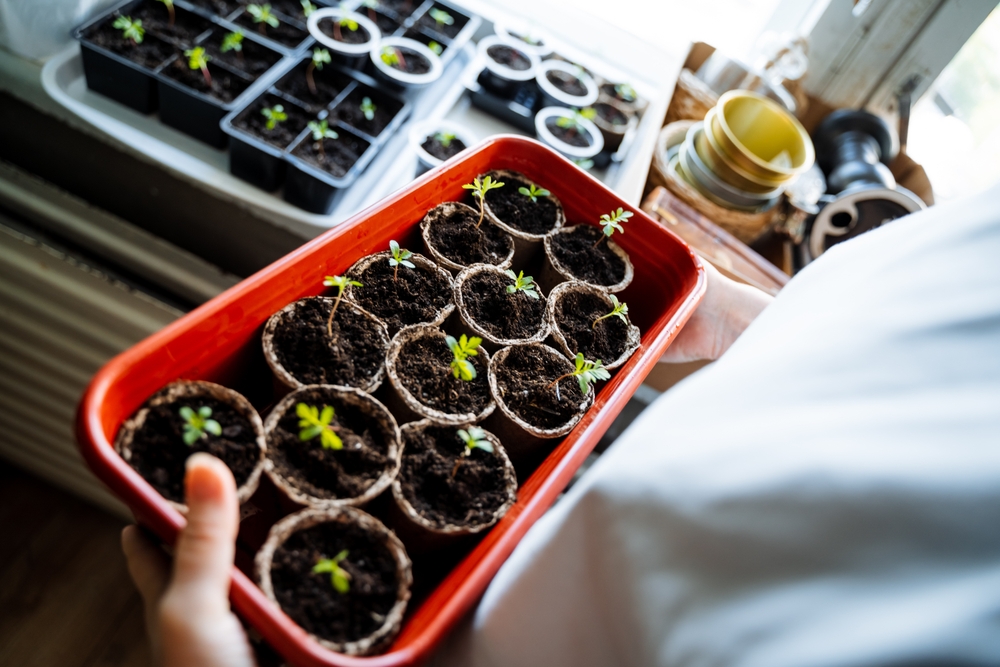
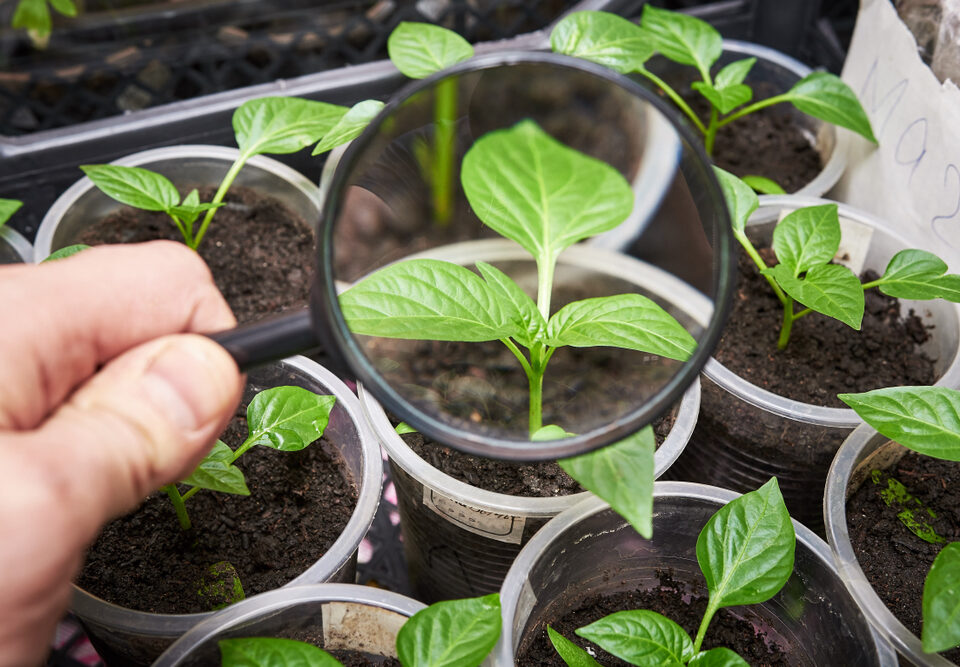
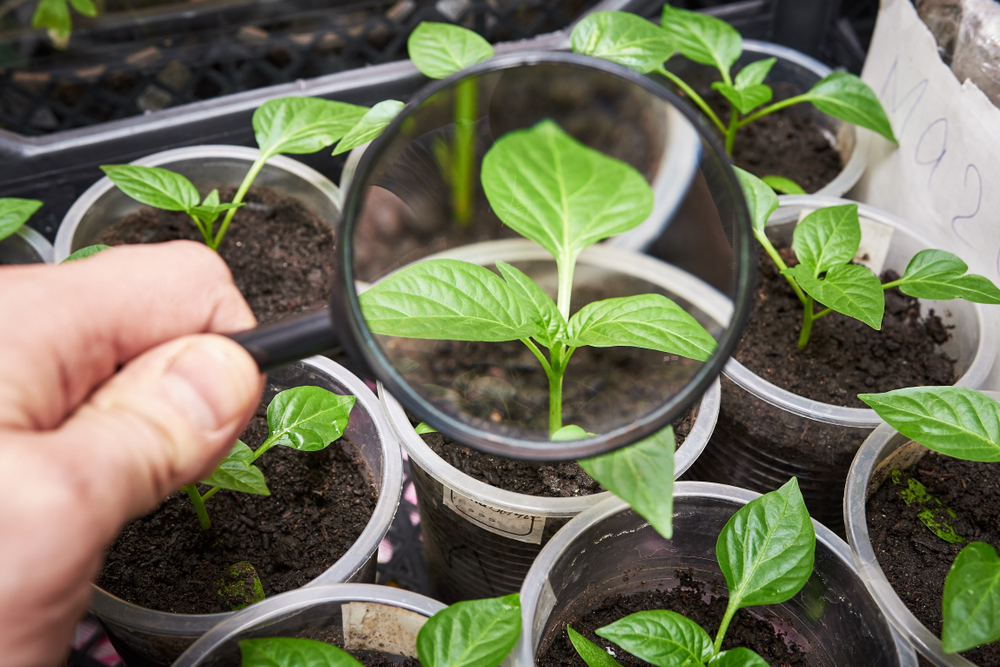
Starting seeds indoors isn’t complicated—but it does require consistency. Seeds sprout when temperature, moisture, and light match what that specific plant needs. Here are the seven basics I rely on for strong, even germination.
1) Read the seed packet first
Your best instructions are right on the packet: depth, timing, temperature, and any special prep. No packet? Look it up on a reputable seed company site or your local Extension Service.
2) Plant at the correct depth
Depth matters. Bury a seed too deep and it may never emerge. As a general rule: bigger seed = deeper planting. Follow the packet every time.
3) Use a quality seed-starting mix—and pre-moisten it
Skip garden soil indoors. Use a soilless seed-starting mix and moisten it before filling trays. You want it to feel like a wrung-out sponge, not muddy.
4) Prep tough seed coats when required
Some seeds need a little help. If the instructions call for it, nick, soak, or chill (stratify) the seed so moisture can penetrate and germination happens faster and more evenly.
5) Provide steady warmth when needed
Many seeds sprout at room temperature, but heat-lovers do best with warm soil—often 70–75°F. A heat mat can be a game-changer. Once seeds pop, remove the bottom heat.
6) Give the right light—then lots of it
Some seeds germinate in darkness (covered), others need light (surface-sown). After germination, all seedlings need 12–16 hours of bright light daily. A simple grow light makes indoor seedlings sturdier and less “leggy.”
7) Keep moisture even—never bone dry, never soaked
During germination, the mix should stay consistently moist. Mist the surface, and consider a humidity dome or plastic cover until sprouts appear—then remove the cover for airflow to prevent mold.
If you want seedlings that transplant beautifully in Westchester’s spring weather, it’s these fundamentals—done well and done consistently—that make the difference.
Ready to Start Planning Your Spring Kitchen Garden?
If you’re in Westchester or Lower CT and want a garden that’s beautiful, protected, and highly productive, winter is the smartest time to begin. Contact Bruce Davison now to start designing your kitchen garden so you’re set up for a strong spring season.